







Renewed tensions between the United States and Iran have pushed global oil prices higher, raising concerns and opportunities for oil-producing countries, including Nigeria, as markets assess the possible impact on energy supplies, government revenues, and consumer costs.
Brent crude, the international benchmark for oil prices, rose by as much as three percent on Wednesday, reaching $76.07 per barrel, its highest level since June 23. The increase followed a fresh escalation in US-Iran relations after Washington carried out strikes on Iran and revoked a temporary sanctions waiver that had allowed limited Iranian oil exports.
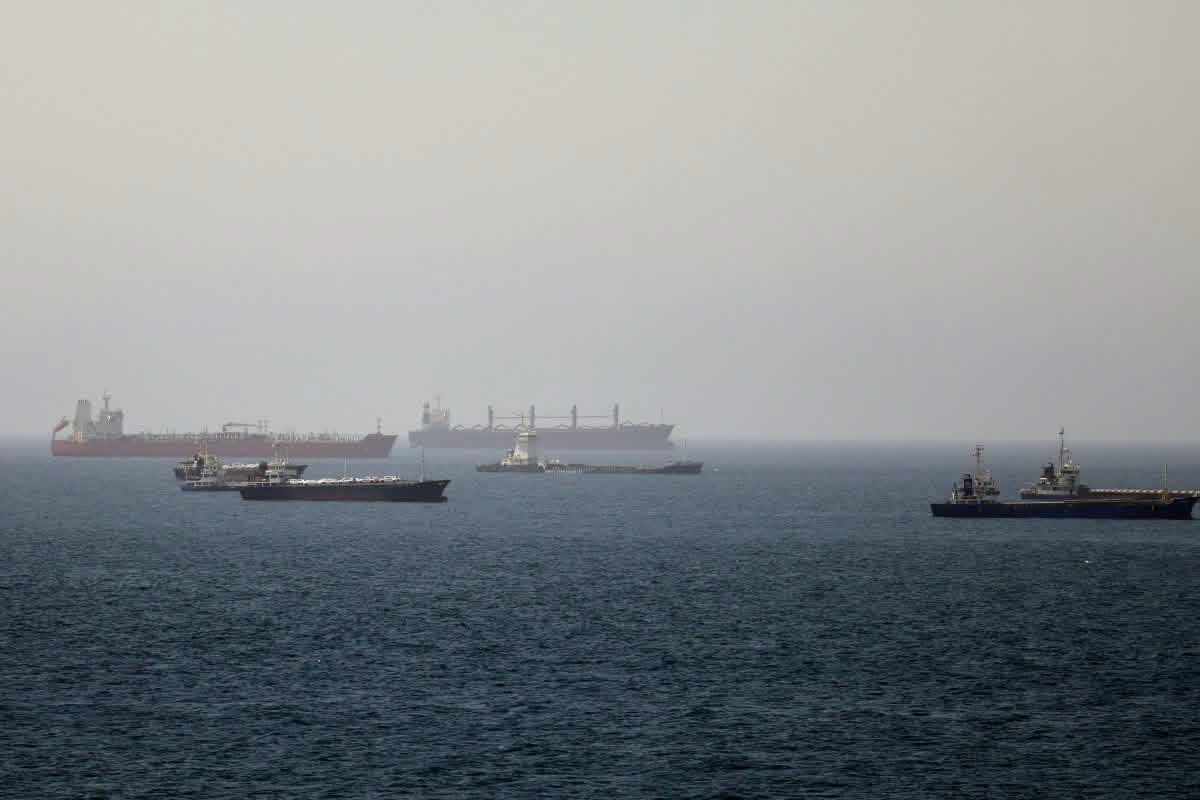
The development came after attacks on three commercial vessels in the Strait of Hormuz, one of the world’s most important oil shipping routes. The United States, Qatar, and Saudi Arabia blamed Iran for the attacks, while Tehran has not directly claimed responsibility but has issued warnings regarding vessel movement through the strategic waterway.
The uncertainty surrounding the Strait of Hormuz has heightened concerns in global energy markets, with traders closely monitoring the possibility of disruptions to crude oil supplies. The route is a major pathway for international oil shipments, making any instability in the region a key factor influencing global prices.
For Nigeria, Africa’s largest oil producer, the rise in crude prices could provide a potential boost to export earnings and government revenue. Oil remains a major source of foreign exchange for the country, and higher prices could increase the value of crude exports if Nigeria is able to maintain and improve production levels.
The Federal Government could benefit from stronger oil receipts through improved revenue inflows, which may support budget implementation, infrastructure spending, and efforts to strengthen the country’s foreign exchange position.
However, experts caution that higher oil prices alone may not guarantee significant gains for Nigeria. The country continues to face production challenges, including crude oil theft, pipeline vandalism, ageing infrastructure, and operational setbacks that have affected output in recent years.
The development could also create pressure for Nigerian consumers. While the country exports crude oil, it has historically depended on imported refined petroleum products, meaning global energy price increases can affect domestic fuel costs. Higher oil prices could contribute to rising transportation expenses, increased business operating costs, and further inflationary pressures if sustained.
Nigeria’s refining capacity will also play an important role in determining the impact of global oil market changes. The operations of the Dangote Petroleum Refinery and other domestic refining projects are expected to influence the country’s reliance on imported petroleum products.
Analysts say Nigeria’s ability to maximise the benefits of rising oil prices will depend on improving crude production, strengthening the energy sector, and implementing policies that reduce exposure to external market shocks.
As geopolitical tensions continue to unfold, global markets remain focused on developments in the Middle East. For Nigeria, the situation presents both an opportunity for increased oil earnings and a challenge in managing possible economic pressures linked to higher energy costs.